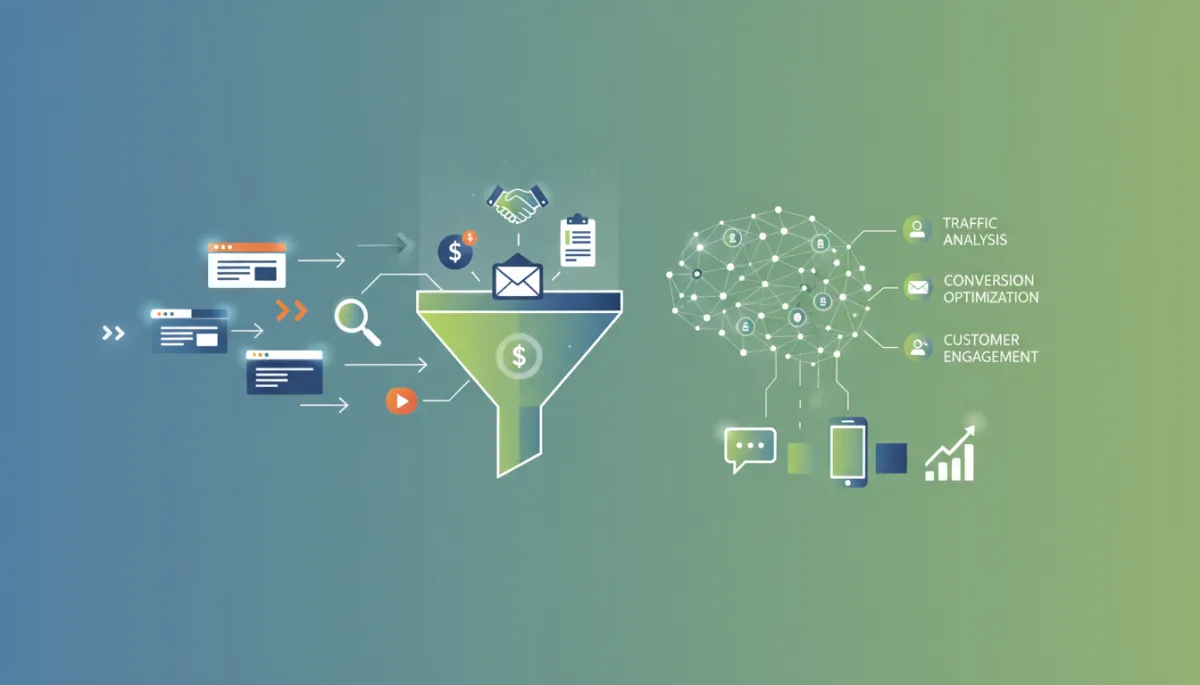
Boost Leads | Convert Traffic into Sales
Marketing Strategy, Website Conversion, Lead Generation
Why Your Business Gets Traffic but No Leads
Imagine checking your analytics and seeing hundreds or even thousands of visitors every month—yet your phone isn’t ringing, your calendar isn’t filling, and your pipeline feels thin. That gap between website traffic and actual leads is where most Canadian businesses quietly lose revenue every single day.
If your website gets visitors but your inbox stays quiet, you don’t have a traffic problem—you have a conversion problem. For Canadian businesses and agencies, the real growth lever is turning anonymous clicks into qualified conversations, appointments, and sales. When you fix conversion, your existing marketing spend starts working harder—without doubling your ad budget.
Traffic Alone Doesn’t Pay the Bills: Website Conversion Comes First
Once you accept that traffic is only step one, the real question becomes: what happens after someone lands on your site? Many businesses invest heavily in ads, SEO, and social media, only to wonder why lead generation remains flat. The missing link is website conversion—how effectively your pages turn visitors into inquiries, bookings, or sign-ups. Without a clear conversion strategy, even strong traffic becomes expensive window shopping.
Key takeaway: More traffic will not fix unclear messaging, difficult forms, weak trust, broken tracking, or slow follow-up. Diagnose the bottleneck before increasing your marketing budget.
“Most companies don’t need more clicks—they need a better way to turn the clicks they already get into conversations and customers.”
1. Irrelevant Traffic: The Wrong People Are Clicking
The first place to investigate is who is actually landing on your website. If your traffic is high but leads are low, there’s a good chance you’re attracting irrelevant traffic. People land on your site, realize you’re not what they need, and leave without engaging. This usually comes from a misaligned marketing strategy—broad keywords, vague ad copy, or social posts that don’t match your actual offer or ideal customer in Canada.
For example, a Toronto accounting firm bidding on “small business help” might get flooded with visitors looking for legal advice, funding, or general coaching—none of whom are ready to hire an accountant. Tightening keywords to “corporate tax accountant Toronto” or “GST filing help for Canadian businesses” immediately improves fit and lead quality.
Consider working with a specialized digital consultancy to tighten targeting and align campaigns with your real goals.
💡 Pro Tip: Use traffic analysis tools to see which channels, keywords, and campaigns bring visitors who actually stay, click, and convert. Cut spending on everything else. A focused content marketing strategy and targeted social media marketing plan can dramatically improve the quality of traffic you attract.
2. Unclear Messaging: Visitors Don’t “Get It” Fast Enough
Once you’re attracting the right people, the next hurdle is what they see and read in the first few seconds. Even when the right people arrive, unclear messaging can lose them in seconds. If your homepage doesn’t quickly answer “What do you do?”, “Who is this for?” and “Why should I trust you?”Visitors won’t stick around to figure it out.
Improving messaging clarity means using plain language, a strong headline, and benefit-driven copy that speaks directly to your ideal customer’s problems and goals. For instance, instead of saying “We provide innovative digital solutions,” a Vancouver home services company might say, “Same-day furnace repair in Greater Vancouver—back up and running in 24 hours or less.”
A structured content strategy can help you craft consistent, conversion-focused messaging across every key page.
💡 Pro Tip: Ask a customer or colleague to read your homepage for 10 seconds, then explain what you do. If they struggle, your messaging needs work. If you want expert feedback, book a marketing strategy session to review your positioning and on-page copy.
3. Visitor Intent: Are You Matching What People Came For?
Clear messaging sets the stage, but your pages also need to respect why someone arrived. High-intent visitors behave differently from casual browsers. Effective conversion optimization starts with matching visitor intent on every page. Someone searching “emergency plumber Toronto” expects urgent help and a phone number, not a long blog post. Someone searching “best CRM for Canadian small business” expects comparisons, features, and a demo option.
A practical example: a Montreal dental clinic might create separate pages for “emergency dental care,” “cosmetic dentistry,” and “family check-ups,” each with tailored headlines, copy, and calls to action. That way, searchers land on a page that mirrors their exact intent instead of a generic services overview.
Align your offers, headlines, and calls to action with the specific intent behind each traffic source. If you’re looking for a platform that supports this journey end-to-end, explore LeadMagno’s MagnoPro to connect your marketing, sales, and follow-up in one place.
4. Trust-Building: People Won’t Enquire If They Don’t Feel Safe
Even when intent and messaging line up, visitors still ask themselves, “Can I trust this business?” Trust-building is non‑negotiable, especially when you’re asking for personal details or a booking. Visitors want proof that you deliver on your promises. Add Canadian client testimonials, case studies, review badges, and clear contact information. Show your process, pricing ranges, and FAQs. The more transparent you are, the more comfortable people feel starting a conversation with your business or agency.
For example, a Calgary contractor that showcases before‑and‑after project photos, Google review screenshots, and a simple “What to expect when you work with us” section will typically see higher inquiry rates than a competitor with only a gallery and a contact form.
Tools like the Local Visibility Operating System can help you strengthen your presence and credibility across search, reviews, and local listings.
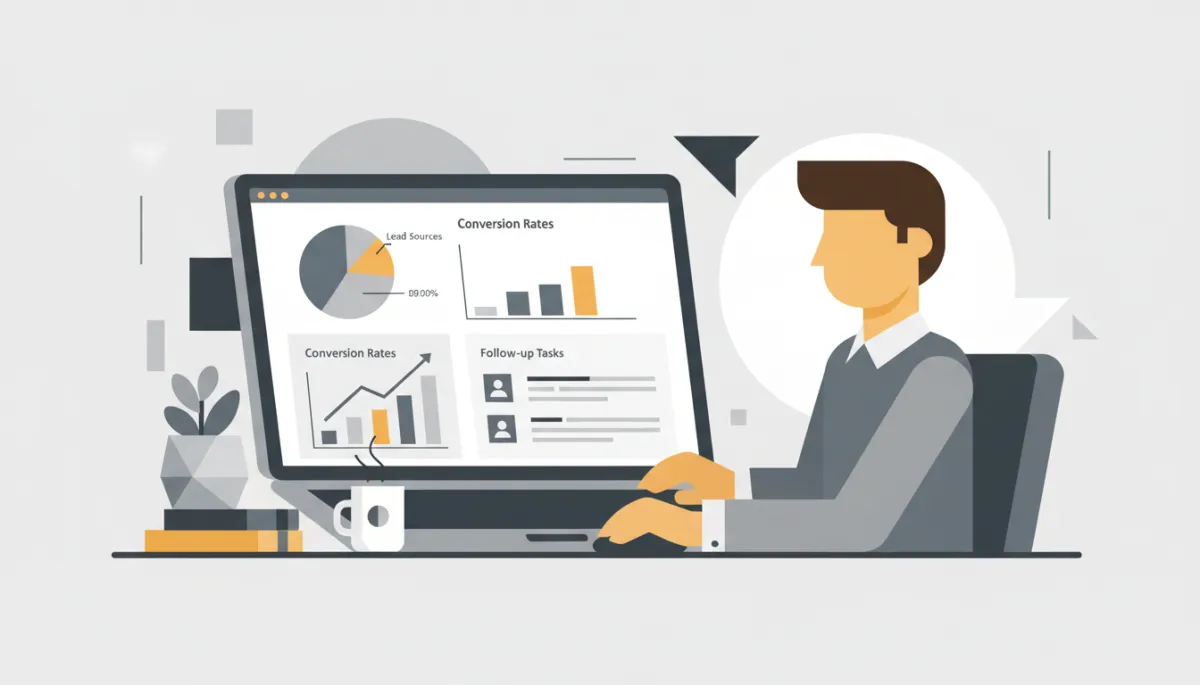
Clear visibility into leads and follow-ups turns scattered interest into consistent revenue.
5. Weak Calls to Action: You’re Not Clearly Asking for the Lead
Once trust is established, visitors still need a clear next step. Many sites bury their offers behind bland or confusing buttons. Weak calls to action like “Learn More” or “Submit” don’t tell visitors what happens next. Strong CTAs are specific and low‑friction: “Book a free 15‑minute consult,” “Get a quote in 24 hours,” or “See how LeadMagno works.”
For instance, when a Halifax-based service business replaced a generic “Contact Us” button with “Schedule your free 20‑minute strategy call,” it not only increased clicks but also attracted more serious prospects who understood exactly what they were booking.
Place strong CTAs prominently above the fold and repeat them throughout key pages to guide visitors toward becoming leads. If you’re running your own funnels or client campaigns, pairing LeadMagno with HighLevel can give you even more flexibility to test CTAs, offers, and page flows.
6. Forms and Mobile Experience: Make Taking Action Effortless
Strong CTAs only work if the path to action feels easy. Even motivated visitors will abandon you if the process feels like work. Simplifying forms—fewer fields, clear labels, and progress indicators—can dramatically increase completion rates. Ask only for what you truly need to start a conversation.
At the same time, enhancing mobile usability is essential. In Canada, a large share of traffic is mobile; if your buttons are tiny, forms are hard to type, or pages load slowly, your potential leads will drop off before they ever hit “send.” A local Ottawa clinic, for example, saw form completions jump after switching from a long, desktop-style form to a short, mobile-friendly version with large tap targets and autofill enabled.
Platforms like LeadMagno’s AI Receptionist and HighLevel AI tools can also help you capture and respond to leads quickly, even outside business hours.
💡 Pro Tip: Test your site on your own phone. Can you submit a form or book an appointment in under 60 seconds? If not, your visitors can’t either. If you’re building or optimizing funnels yourself, consider a HighLevel bootcamp to master fast, mobile-friendly experiences.
7. Tracking Inquiries Properly: Don’t Let Leads Slip Through the Cracks
Even with a smooth on-site experience, your conversion efforts can fall apart if you don’t manage what happens after someone reaches out. Sometimes the issue isn’t traffic or interest—it’s follow‑up. If you’re not tracking inquiries properly, you’ll underestimate your results and miss opportunities. Every form fill, call, chat, and social DM should flow into a central system with assigned owners, reminders, and status updates.
Consider a busy Edmonton home services company that receives inquiries via Facebook, Google Ads, website forms, and phone calls. Without a centralized CRM, it’s easy for messages to get lost in inboxes or forgotten on sticky notes. With a platform like LeadMagno, every inquiry becomes a tracked record with automated follow-ups, so you can see exactly where each potential customer is in your pipeline.
This is where a platform like LeadMagno helps Canadian businesses connect marketing, sales, and service in one place, so no lead is forgotten. If you’re managing multiple brands or clients, upgrading to a robust marketing CRM stack—such as LeadMagno alongside HighLevel SaaS mode—can centralize tracking and reporting across your entire portfolio.
8. Build a Complete Conversion System, Not Just a Website
When you zoom out, it becomes clear that isolated fixes—tweaking one headline or swapping a button colour—can only take you so far. Sustainable growth requires more than a nice design. You need a complete conversion system that connects traffic analysis, on‑site engagement, and automated follow‑up. That means:
Attracting the right visitors with a focused marketing strategy—supported by expert digital consulting when you need it
Optimizing pages for website conversion and clear lead generation paths using tools like MagnoPro and HighLevel Pro
Using conversion optimization insights to continually improve forms, CTAs, and content—supported by analytics tools and growth platforms such as vidIQ and Semrush
Nurturing customer engagement with timely email, SMS, and pipeline follow‑ups through LeadMagno and email platforms like Moosend or Zapier automations
When all of these pieces work together, more of your existing traffic turns into real conversations, proposals, and long‑term clients—directly impacting your revenue without endlessly increasing ad spend. For businesses that also sell online or run memberships, pairing LeadMagno with platforms like Shopify or AppSumo can extend your conversion system across channels.
Turn Traffic Into Growth with LeadMagno
At this point, the path forward is clear: you don’t need to chase vanity metrics—you need a reliable way to capture, nurture, and close the interest you already earn. LeadMagno was built for Canadian businesses that are tired of lost leads, missed follow‑ups, and scattered tools. With an all‑in‑one marketing CRM, you can capture every inquiry, automate follow‑ups, and see exactly which channels and pages generate the most valuable leads.
Instead of guessing, you make decisions based on clear data—and your traffic finally translates into predictable customer engagement and measurable revenue growth. Whether you’re a local service provider in Winnipeg, an eCommerce brand in Vancouver, or an agency managing multiple client accounts, a unified system gives you the visibility and control you’ve been missing.
If you’re ready to centralize your marketing and sales, explore the full platform at leadmagno.com and, if you’re an agency or advanced marketer, consider complementary tools like HighLevel upgrades, ManyChat, or PandaDoc for proposals and contracts.
Ready to turn your traffic into leads and clients? Book a free demo today and see how LeadMagno can transform your lead management and grow your business. You can book a demo directly or schedule a deeper strategy conversation with Syed at this meeting link to map out your next steps.
Frequently Asked Questions: Turning Traffic into Leads
📌 Key Takeaway: Use this FAQ to quickly diagnose why your traffic isn’t converting and see where a platform like LeadMagno can support you.
Why am I getting traffic but almost no inquiries or bookings?
In most cases, the issue isn’t traffic volume—it’s conversion gaps. Common problems include attracting the wrong visitors, unclear messaging, weak calls to action, or a clunky mobile experience. If any one of these is off, visitors leave without taking the next step. A structured conversion system, supported by tools like LeadMagno, helps you identify and fix those gaps so more visitors become leads.
How do I know if my traffic is “high quality”?
High‑quality traffic doesn’t just land—it engages. Look at metrics such as time on page, pages per session, and conversion rates for each channel or campaign. If a source brings a lot of visitors but very few form fills, calls, or chats, it’s likely misaligned with your offer or audience. LeadMagno’s tracking and reporting can show you exactly which sources produce real conversations and which ones waste budget.
What’s the quickest change I can make to improve conversions?
Two fast wins for most Canadian businesses are: clarifying your main headline and strengthening your primary call to action. Make sure your homepage clearly states who you help, what you do, and what the next step is (for example, “Book a free 15‑minute consult”). Then, place that CTA prominently and repeat it down the page. From there, you can use LeadMagno to test different headlines and offers to see what performs best.
Do I need more tools, or can one platform handle this?
Many businesses struggle because they juggle separate tools for forms, email, SMS, and pipeline tracking. That creates blind spots and lost leads. An all‑in‑one marketing CRM like LeadMagno centralizes capture forms, conversations, and follow‑up automations in a single dashboard. You can still connect other tools when needed, but your core lead management lives in one place—reducing complexity and missed opportunities.
How long does it take to see results from conversion improvements?
Timelines vary by industry and traffic volume, but many Canadian businesses see early wins within a few weeks of optimizing messaging, CTAs, and forms—especially on high‑traffic pages. Because LeadMagno tracks every inquiry and follow‑up, you can quickly see which changes move the needle and double down on what works, instead of guessing.
Is LeadMagno only for agencies, or can small local businesses use it too?
LeadMagno is built for both local Canadian businesses and agencies. A single-location clinic, contractor, or professional practice can use it to capture leads, automate reminders, and track pipelines. Agencies and multi‑location brands can layer on advanced features and integrations (including HighLevel SaaS mode) to manage multiple accounts from a single platform. The goal is the same in both cases: fewer lost leads, stronger follow‑up, and more predictable revenue.
💡 Pro Tip: If these questions sound like your day‑to‑day challenges, it’s a strong sign you’re ready for a unified marketing CRM. Book a free LeadMagno demo and walk through how a complete conversion system can fit your business.


