
Top Industries for Local SEO Success in 2026
Local SEO, Lead Generation, Small Business Marketing
What Industries Will Benefit Most from Local SEO in 2026?
As AI-driven search, zero-click results, and “near me” behavior reshape how people find services, local SEO in 2026 is no longer a nice-to-have—it’s the front line of lead generation for location-based businesses. Yet most small and medium businesses, and even many agencies, are still operating with a 2019 playbook while consumer behavior has leaped ahead.
The 2026 Local Search Reality: High Intent, Fierce Competition
By 2026, around 46% of all Google searches will have local intent, and roughly 97 billion local searches will occur each month. Up to 76–78% of users who perform a local mobile search visit a business within 24 hours, and 64% of those visits lead to a purchase. That is an extraordinary conversion environment for any business that can show up consistently and credibly.
At the same time, zero-click searches are now common; Google and AI assistants often answer queries directly in the SERP or Maps. Local Packs appear in about 93% of local searches and capture 42% of clicks, while AI Overviews appear in 65–80% of local queries. For small and medium businesses and agencies, this means local SEO has shifted from “ranking a website” to orchestrating an ecosystem of profiles, content, and signals.
What Is Local SEO? (One-Sentence Summary)
Local SEO is the practice of optimizing your online presence so nearby customers can discover, trust, and choose your business when they search for products or services in your area.
Key Shifts Shaping Local SEO in 2026
AI Overviews and assistants are new gatekeepers. Google’s AI summaries and tools like ChatGPT and Gemini increasingly answer local queries directly, pulling from structured data, reviews, and trusted profiles rather than just website content.
Zero-click behavior is the norm. Up to 65% of local searches end without a click, meaning your Google Business Profile (GBP), reviews, and local citations must function as a complete mini-website and sales page.
Trust and engagement signals are heavily weighted. Review volume and velocity, direction requests, branded searches, and unstructured mentions (like “best dentists in Toronto” lists) now heavily influence visibility and AI recommendations.
Hyperlocal is the new standard. Results can change block by block, so multi-location and service-area businesses need neighborhood-specific content and GBPs, not just one generic listing and homepage.
💡 Strategic Insight: Treat local SEO as lead infrastructure, not a one-time campaign. It underpins every call, booking, and walk-in driven by search, maps, or AI assistants.
Industries That Will Benefit Most from Local SEO in 2026
While almost any location-based business can benefit, some sectors gain outsized returns because their buyers are highly local, highly urgent, or both.
1. Home Services (Plumbers, Electricians, HVAC, Contractors)
Home services sit at the intersection of urgency and locality. When someone searches “emergency plumber near me,” they are ready to call now. With “near me” searches up over 400% since 2020 and continuing to grow, this vertical will keep winning big from local SEO in 2026 and beyond.
High-intent, mobile-first searches (“water leaking ceiling”, “no heat tonight”) convert within hours, not weeks.
Service-area pages and GBPs can be cloned and localized across neighborhoods, multiplying visibility at scale.
2. Healthcare and Wellness (Clinics, Dentists, Therapists, Gyms)
Healthcare, wellness, and fitness businesses rely heavily on trust and proximity. Patients and clients increasingly start their journey with “best pediatrician near me” or “24/7 walk-in clinic open now.” Reviews and ratings are decisive; over 80% of consumers trust online reviews as much as personal recommendations.
Local SEO amplifies word-of-mouth by showcasing social proof to people already in the market.
Hyperlocal content (“back pain specialist in Midtown”) supports both organic rankings and AI Overviews.
3. Hospitality, Restaurants, and Food & Beverage
Tourism, dining, and nightlife are among the biggest winners. Travelers and locals alike search “best brunch near me,” “hotel near conference center,” or “rooftop bar open late.” Local Packs, Maps, and social discovery (especially TikTok and Instagram) now drive a huge share of foot traffic.
Image-rich GBPs and structured menus help businesses appear in AI Overviews and map filters (e.g., “vegan-friendly,” “kid-friendly”).
Reviews and recent photos heavily influence choice in crowded markets.
4. Legal, Financial, and Professional Services
Lawyers, accountants, mortgage brokers, and consultants benefit because clients often want an expert who understands local regulations and context. Searches like “real estate lawyer downtown” or “small business CPA near me” carry high deal value and long-term client potential.
Local content around regulations, neighborhoods, and case types supports authority in AI and organic search.
Strong review profiles and third-party mentions (“top 10 law firms in…”) build the trust AI systems now reward.
5. Retail, Automotive, Education, and Real Estate
Local retailers, auto repair shops, dealerships, tutoring centers, private schools, and real estate agents all rely on people searching within a radius. With 80% of consumers searching for local businesses weekly and 32% doing so daily, visibility for “near me” and neighborhood-based queries is now table stakes for these industries.
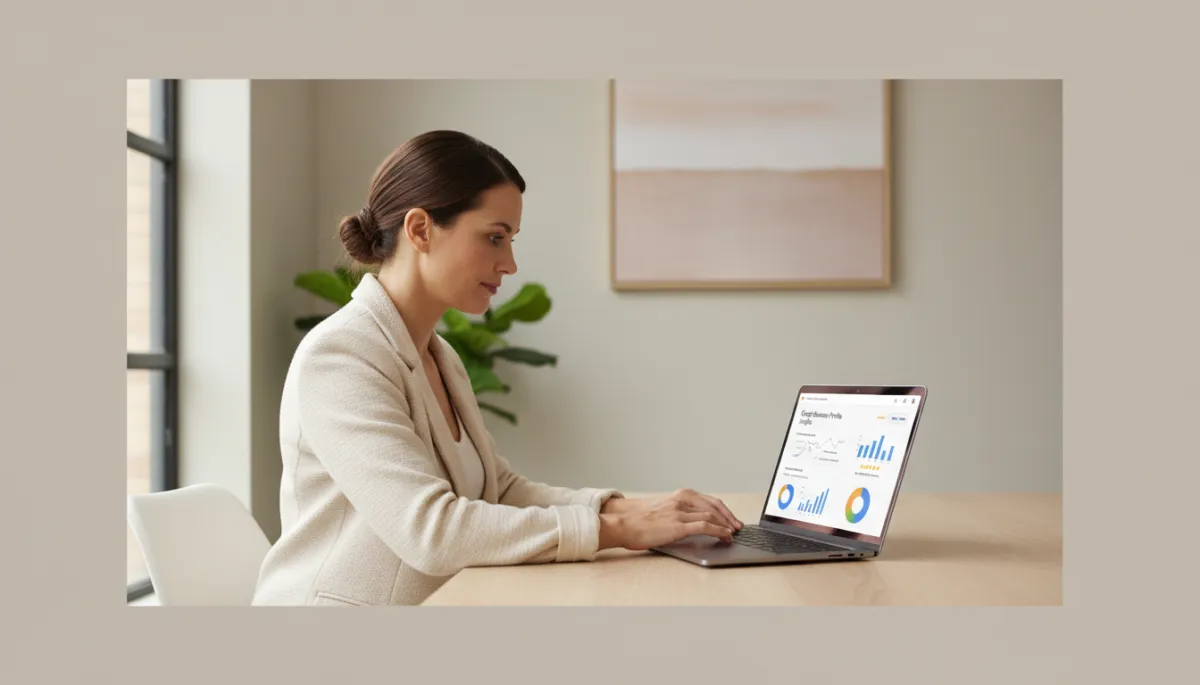
Businesses with fully optimized profiles see up to seven times more clicks from local search.
Why Local SEO Matters So Much for These Industries
High-intent traffic: Local searchers are not browsing; they are choosing. Q1 2026 data shows direction requests up 14.9% and map views up 26.2%, signaling strong intent to visit or call.
Short decision cycles: Many decisions (plumber, urgent care, restaurant, auto repair) happen within 24 hours, making visibility at the exact moment of search extremely valuable.
Compounding trust: Reviews, photos, and citations build over time. Once a business wins local trust, competitors must work much harder to displace it.
Core Local SEO Strategies and Execution Methods for 2026
1. Treat Google Business Profile as Your Primary Local Storefront
Complete every field: categories, services, attributes, hours (including holidays), and booking or messaging links.
Add 50+ high-quality photos and short videos; AI Overviews favor listings with rich media and consistent updates.
Post weekly updates, offers, and FAQs. Regular posting is now a ranking and engagement signal.
2. Build Hyperlocal, Question-Based Content
Create location pages for each neighborhood or service area with unique content, not boilerplate. Think “emergency HVAC repair in Eastside” with local landmarks, case studies, and FAQs.
Use the Local Business schema and structured data to help AI Overviews and voice assistants understand your services, service areas, and key details.
If you lack an internal content team, partnering with a specialist for a strategic content marketing plan or a dedicated content strategy program ensures your local pages are structured for both humans and AI.
3. Systematize Reviews and Reputation Management
Aim for at least 50 reviews per location, then 100+. Businesses crossing these thresholds see dramatic jumps in click volume and leads.
Implement automated review requests via SMS and email after key milestones (e.g., visit, job completion, discharge, closing).
Platforms like MagnoPro and HighLevel make it easier to automate review outreach, track reputation, and feed positive experiences back into your marketing. For agencies, the HighLevel SaaS upgrade lets you bundle review systems into your own branded offering.
4. Leverage Social and Short-Form Content for Local Discovery
Optimize TikTok, Instagram, and Facebook content with local hashtags, geotags, and neighborhood references—many younger users now search these platforms before Google.
Repurpose FAQs and reviews into short videos that answer questions like “What to know before hiring a plumber in [City].”
Done strategically, social media marketing becomes an extension of local SEO, reinforcing your presence in AI results and Local Packs via engagement and brand searches.
5. Build Systems, Not One-Off Tactics
The businesses winning in 2026 aren’t simply “doing SEO”; they’re running repeatable operating systems for local visibility. For example, the Local Visibility Operating System models reviews, content, GBP optimization, and reporting as predictable workflows rather than ad hoc tasks.
If you’re unsure where to start, a tailored digital consultancy engagement or a focused marketing strategy session can help you prioritize the right systems for your industry and region.
Real-World Example: Turning a Local Clinic into a Lead Engine
Consider a multi-location physiotherapy clinic facing rising ad costs and stagnant referrals. In 2024, they relied heavily on paid search; by 2026, CPCs were up 40%, and AI Overviews were siphoning off clicks. They shifted to a systems-based local SEO approach:
Each location received its own optimized GBP, with neighborhood-specific photos, services, and posts about local sports teams and events.
A structured review program, managed through a CRM and automation platform like HighLevel’s free trial, sent personalized SMS review requests after each appointment, segmenting by satisfied vs. at-risk patients.
Hyperlocal content hubs were built for “sports injury clinic in [Neighborhood]” and “back pain specialist near [Landmark],” using a structured content strategy similar to those developed in content strategy engagements.
Within 9 months, organic and local search leads increased by 68%, while ad spend dropped 35%. Most importantly, their Local Pack visibility and AI Overview mentions rose, leading to more direct calls and direction requests—high-intent actions that don’t always show up in traditional “traffic” metrics.
Contrarian Insight: More Traffic Is Not the Goal
A common misconception is that the job of local SEO is to “get more website visitors.” In 2026, that mindset is dangerously outdated. With zero-click searches, AI Overviews, and map-based behavior, many of your best leads will never visit your website at all.
The real objective is to own the moments of decision—wherever they happen. That might be:
A tap on “call” from your GBP.
A “Directions” click from Maps.
A recommendation inside an AI assistant that never shows your URL, only your name, rating, and distance.
📌 Key Takeaway: Judge local SEO success by calls, bookings, direction requests, and qualified inquiries, not just sessions or pageviews. Tools like HighLevel AI and implementation bootcamps can help you wire these outcomes into automated follow-up systems.
Common Local SEO Mistakes (and How to Avoid Them)
Incomplete or inconsistent GBPs: Over half of listings are missing key data. Fix NAP (name, address, phone) inconsistencies and fully complete each profile.
Copy-paste location pages: Templated content across dozens of city pages is a red flag for both Google and AI systems. Invest in unique, locally relevant content instead.
Ignoring reviews until there’s a crisis: Reactive review management is expensive. Build proactive systems to maintain steady review velocity and ensure timely responses.
Chasing keywords, not intent: Ranking for “plumber [city]” matters less if you ignore “emergency plumber open now” or “same-day water heater repair”—the queries that convert fastest.
Building a Local SEO System: Tools and Operational Backbone
For agencies and growth-focused SMBs, the question is less “what tactics?” and more “what stack and workflows?” A robust system typically includes:
A CRM and automation platform such as HighLevel with upgraded automations to manage leads, review requests, missed-call text-backs, and nurture sequences.
A content and visibility framework like the Local Visibility Operating System to standardize how you create and maintain local assets across locations.
Clear reporting on calls, direction requests, bookings, and revenue, not just rankings—often supported by white-label tools or a done-for-you setup after a live demo session.
For agencies, packaging these components into a branded solution using the HighLevel annual or SaaS upgrade model can transform local SEO from a labor-heavy service into a scalable product.
Local SEO FAQ for 2026: Strategic Answers for Owners and Marketers
1. Which industries should prioritize local SEO first?
If your revenue depends on people within a defined radius—especially home services, healthcare, hospitality, legal, automotive, education, fitness, and local retail—local SEO should be a top-three channel. These sectors see the highest intent and fastest conversion from local queries, making every improvement in visibility disproportionately valuable.
2. How has AI changed local SEO in 2026?
AI has shifted the focus from “10 blue links” to answers and recommendations. AI Overviews and assistants aggregate data from GBPs, reviews, structured data, and authoritative mentions. To win, you must feed AI with clear, consistent signals: complete profiles, schema markup, high review volume and velocity, and content that directly answers local questions in natural language.
3. Is local SEO still worth it if zero-click searches are rising?
Yes—arguably more than ever. Even when users don’t click, they still call, request directions, or walk in. Local SEO in 2026 is about being chosen, not just being clicked. Measure success by leads and revenue, not just traffic. When you optimize GBPs, reviews, and AI visibility, you’re optimizing the “decision layer” of the funnel.
4. How long does it take to see results from local SEO?
Many businesses see early movement within 30–60 days—especially if their GBP was incomplete or inconsistent to begin with. Meaningful, compounding gains typically appear over 4–9 months as reviews accumulate, content is indexed, and engagement signals improve. That’s why building a system, rather than a one-off campaign, is critical for 2026 and beyond.
5. What’s the best way to start if we’re overwhelmed?
Start with a focused audit and strategy. For many SMBs and agencies, a structured marketing strategy session or tailored digital consultancy can help you identify the 20% of actions that will drive 80% of results: usually GBP optimization, review systems, and 3–5 hyperlocal content assets per core service.
6. How can agencies productize local SEO for multiple industries?
Agencies can standardize their approach using platforms like HighLevel Bootcamp to set up repeatable pipelines, review automations, and reporting. Pair that with a documented framework such as the Local Visibility Operating System, and you can deliver consistent outcomes for home services, healthcare, legal, and other high-intent verticals without reinventing the wheel for each client.
7. What role does content still play if GBPs are so important?
Content is now the connective tissue between your website, GBP, AI Overviews, and social discovery. High-quality local content fuels organic rankings, feeds AI models with context, and gives you assets to repurpose across channels. The difference in 2026 is that content must be hyperlocal, question-driven, and conversion-aware—a shift that a structured content strategy program is designed to support.
Final Strategic Takeaway: Local SEO as a Lead Operating System
The industries that will benefit most from local SEO in 2026—home services, healthcare, hospitality, legal, automotive, education, retail, and fitness—share a common trait: their best customers are searching nearby, ready to act, and increasingly guided by AI and social signals, not just traditional search results. In this environment, the winners will be those who treat local SEO not as a checklist but as a living operating system for capturing demand.
For small and medium business owners and marketing professionals, the priority is clear: build systems that keep your profiles accurate, your reviews flowing, your content locally relevant, and your follow-up automated—then measure success by the volume and quality of leads, not by vanity metrics. Whether you assemble this in-house, partner through a specialist consultancy, or deploy a platform stack with tools like HighLevel and MagnoPro, the opportunity is the same: own your local demand before AI and competitors decide for you—because in 2026, local SEO is no longer just about being found; it is about being the obvious, trusted choice when it matters most.


