Lead Generation Mistakes
Lead Generation, Marketing Strategy, Business Growth
The Biggest Lead Generation Mistakes Small Businesses Make
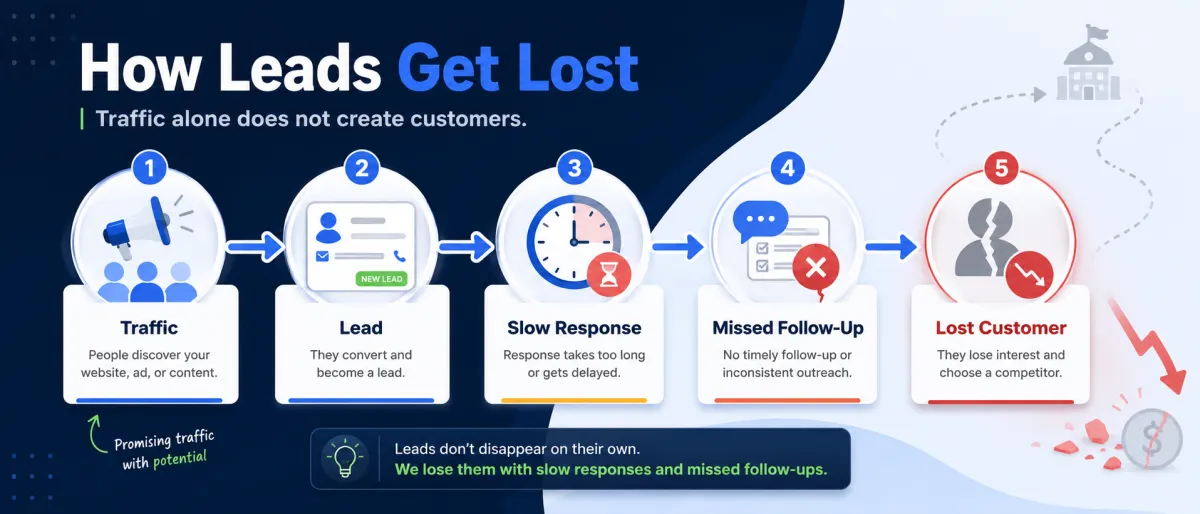
Imagine spending hundreds or thousands of dollars attracting new inquiries—only to discover that leads are being missed, contacted too late, or forgotten after one follow-up attempt.
Many small businesses assume disappointing results mean they need more advertising. In reality, the problem often starts earlier or continues further down the lead journey: the wrong audience, an unclear offer, a weak landing page, slow responses, inconsistent follow-up, or no reliable way to track which leads become customers.
These mistakes rarely look dramatic on their own. But together, they can turn promising marketing campaigns into expensive sources of lost opportunity.
📌 Key Takeaway: LeadMagno helps Canadian businesses align lead generation, conversion optimization, and lead management so your pipeline runs like a predictable growth engine instead of a guessing game.
What Lead Generation Really Means for Your Business
At its core, lead generation is simply attracting people who are likely to buy from you—and getting their permission to stay in touch. That could be a website form, a phone call, a social media message, or someone walking into your store and joining your list. The goal is not just “more leads” but more of the right leads who are a good fit for what you offer.
For example, a local HVAC company in Ontario might run Google Ads that bring in dozens of quote requests each week. But if half of those requests are outside their service area or budget range, those “leads” only create extra admin work. By tightening their targeting and using a short pre-qualification form, they can focus on homeowners who are actually ready to book—and increase close rates without increasing ad spend.
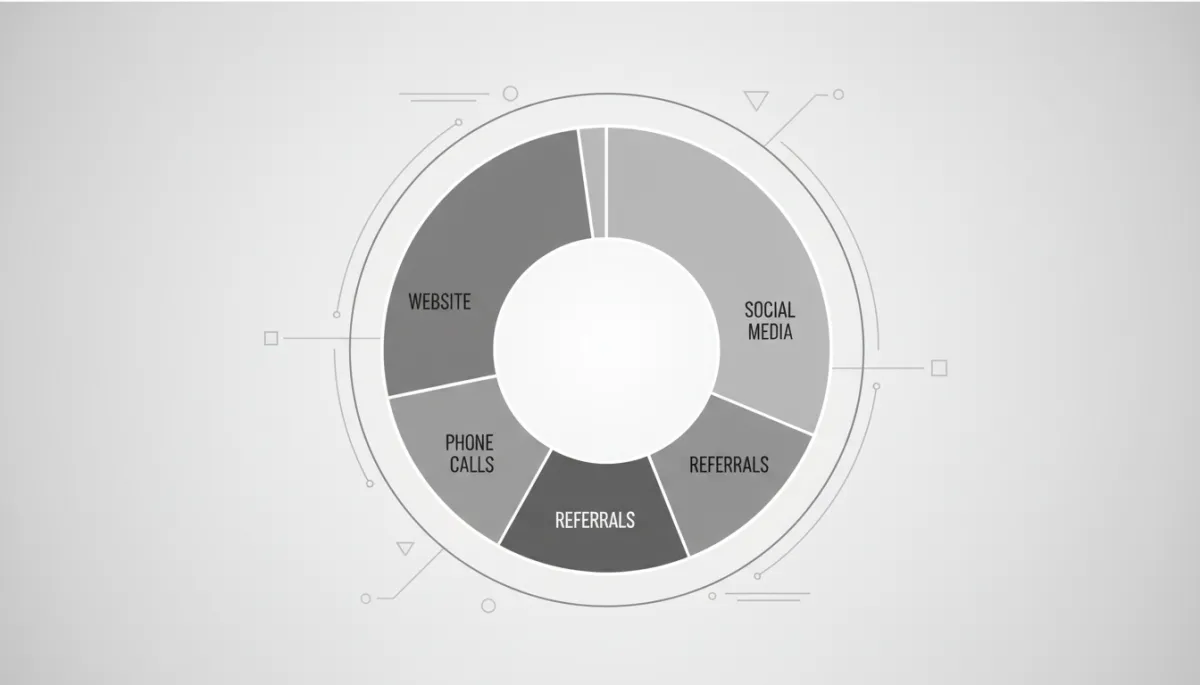
For many small businesses, the biggest challenge isn’t interest—it’s organization. Leads come in from Google, Facebook, referrals, and events, then get scattered across inboxes, sticky notes, and spreadsheets. That’s where a focused approach and tools like LeadMagno can help you automatically capture every opportunity in one place,
📌 Key Takeaway: LeadMagno helps Canadian businesses align lead generation, conversion optimization, and lead management so your pipeline runs like a predictable growth engine instead of a guessing game.
What Lead Generation Really Means for Your Business
At its core, lead generation is simply attracting people who are likely to buy from you—and getting their permission to stay in touch. That could be a website form, a phone call, a social media message, or someone walking into your store and joining your list. The goal is not just “more leads” but more of the right leads who are a good fit for what you offer.
For example, a local HVAC company in Ontario might run Google Ads that bring in dozens of quote requests each week. But if half of those requests are outside their service area or budget range, those “leads” only create extra admin work. By tightening their targeting and using a short pre-qualification form, they can focus on homeowners who are actually ready to book—and increase close rates without increasing ad spend.
For many small businesses, the biggest challenge isn’t interest—it’s organization. Leads come in from Google, Facebook, referrals, and events, then get scattered across inboxes, sticky notes, and spreadsheets. That’s where a focused approach and tools like LeadMagno can help you automatically capture every opportunity in one place.
“Most businesses don’t have a lead problem—they have a follow-up and organization problem. Fix that, and your existing marketing suddenly becomes far more profitable.”
— Syed, Founder of LeadMagno
💡 Pro Tip: Start by defining your ideal customer profile (ICP)—industry, location, budget, and key problems. This makes your lead generation strategy more efficient and reduces the number of unqualified inquiries.
Building a Simple, Effective Marketing Strategy
Once you’re clear on what a good lead looks like, the next step is designing a straightforward plan to attract more of them. A strong marketing strategy doesn’t have to be complicated. Think of it as your roadmap for how strangers become leads, and how leads become loyal customers. For Canadian small and medium-sized businesses, a practical strategy usually covers three questions:
Who are we trying to reach? Be specific about your ideal customer, their problems, and what “success” looks like for them. If you’re not sure where to start, a tailored digital consultancy session can help you clarify your audience and goals.
Where do they already spend time? Google, Instagram, LinkedIn, local events, referrals—focus on the channels that actually matter for your audience. Strategic social media marketing can amplify your visibility on the platforms your customers use most.
What will we offer first? A free consultation, a downloadable guide, a quote request, or a trial can all be powerful lead magnets. A clear content marketing strategy ensures those offers are aligned with what your ideal clients actually want.
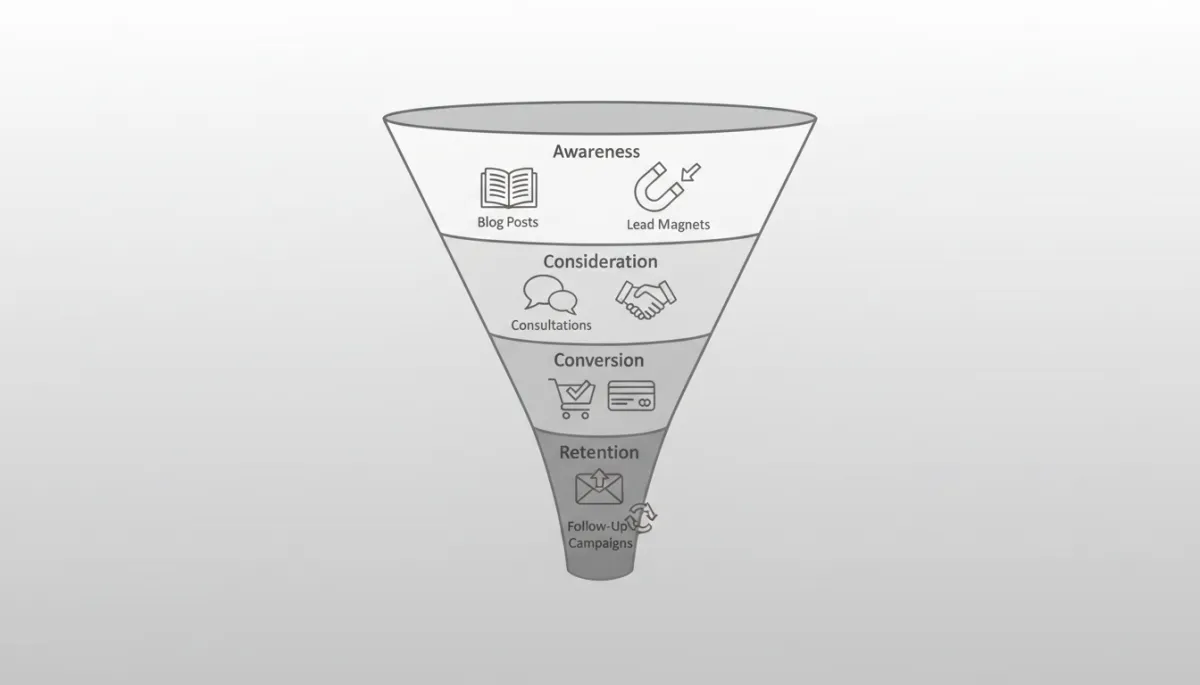
Consider a Vancouver-based accounting firm that offers a free “tax readiness checklist” in exchange for an email address. Prospects download the guide, receive a short email sequence with practical tips, and are then invited to book a 30-minute consultation. This simple funnel moves people from awareness to action in a structured, repeatable way—without the firm needing to follow up on every inquiry manually.
When you connect these pieces inside a platform like LeadMagno’s MagnoPro plan, your small business marketing stops feeling random. It starts working as a repeatable system—one that captures leads automatically and keeps your brand top of mind.
📌 Key Takeaway: A simple, well-documented marketing strategy beats a complicated plan you never execute. Start with one clear offer and one primary channel, then build from there.
Conversion Optimization: Turning Interest into Action
With a basic strategy in place, the next lever is improving how effectively you turn attention into action. Getting traffic is great, but conversion optimization is where the magic happens. This is the process of improving each step so more visitors become leads, and more leads become paying customers. Small tweaks often make a big difference:
Clear, benefit-focused headlines on your landing pages
Short, simple forms that only ask for what you truly need
Strong calls to action like “Book your free quote” or “Schedule a demo”
As one example, a Toronto-based home services company reduced the number of fields on its booking form from nine to four and clarified its headline to “Get a Same-Week Quote for Your Home Project.” The result? A 32% increase in form completions, without increasing ad spend. Changes like these can be tested and tracked over time to improve performance steadily.
LeadMagno helps by tracking which campaigns, pages, and messages convert best, so you can double down on what works and stop guessing. If you want even more advanced automation and funnel testing, you can also connect with platforms like HighLevel and its Pro trial to experiment with more complex journeys. Over time, these improvements compound into serious business growth.
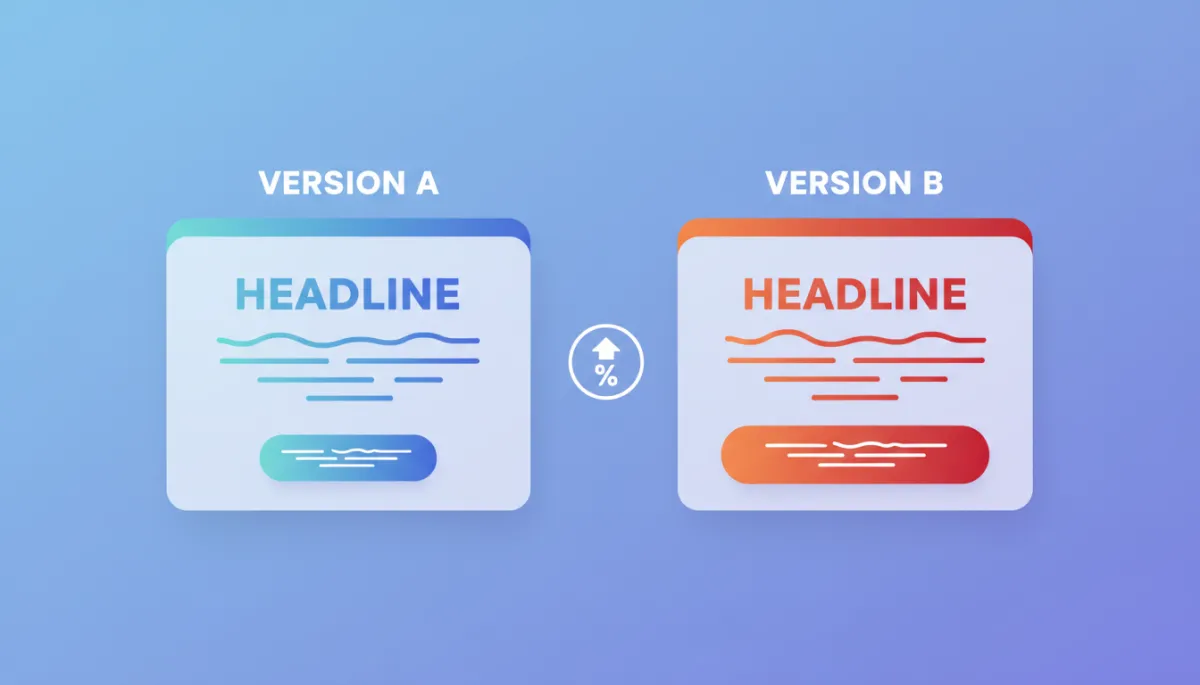
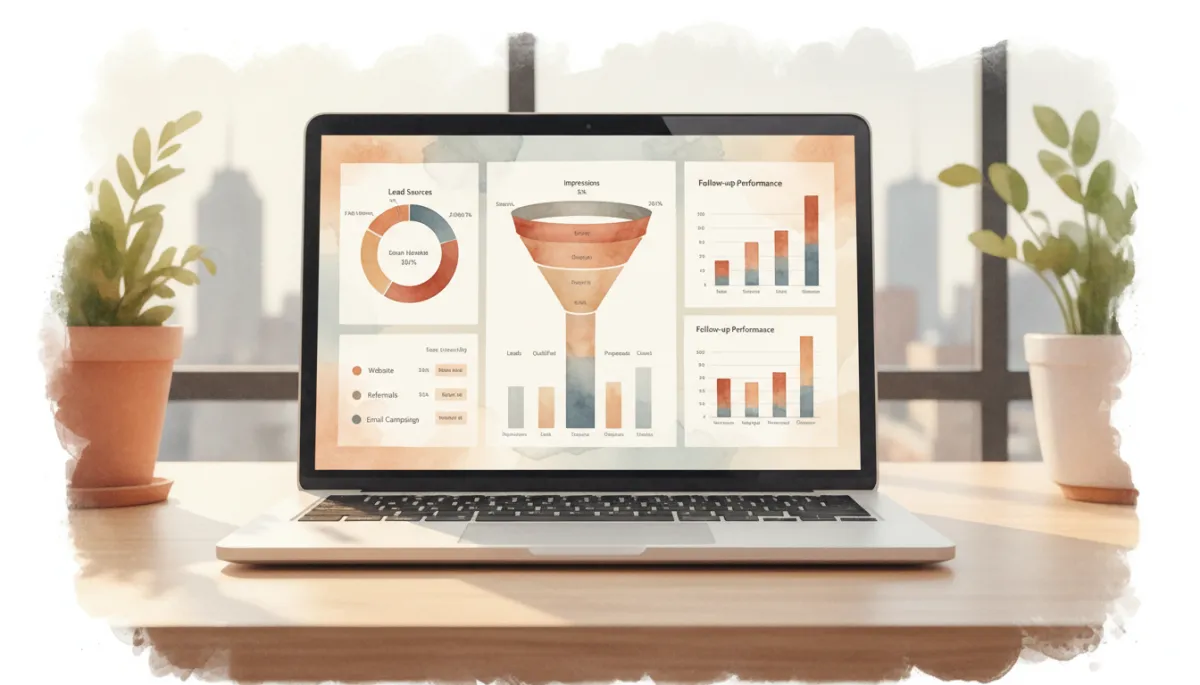
Tracking each stage of your funnel reveals quick wins for higher conversions.
💡 Pro Tip: Focus on three core metrics for conversion optimization: landing page conversion rate, lead-to-opportunity rate, and opportunity-to-customer rate. Improving each by a few percentage points can dramatically increase revenue.
Lead Management: Never Lose a Lead Again
As your conversion rates improve, the volume of leads you’re handling will likely grow as well. Even the best lead generation efforts fall flat if follow-up is slow or inconsistent. Effective lead management means every new contact is captured, organized, and nurtured automatically—whether they came from your website, social ads, phone calls, or walk-ins.
With LeadMagno, new leads can trigger instant confirmation emails or SMS messages, team-call reminders, and ongoing nurture campaigns. You can even add tools like an AI receptionist to greet and qualify leads 24/7. Instead of wondering “Did anyone follow up with that quote request?”, you can see every touchpoint on a single, clear timeline. That’s how you protect your marketing budget from slipping through the cracks.
For instance, a busy dental clinic in Alberta connected their website forms, phone inquiries, and Facebook leads into LeadMagno. Missed calls now trigger an automatic text message, and any unbooked consultations receive a friendly reminder two days later. Within three months, they recovered dozens of appointments that previously would have been lost to slow or forgotten follow-ups.
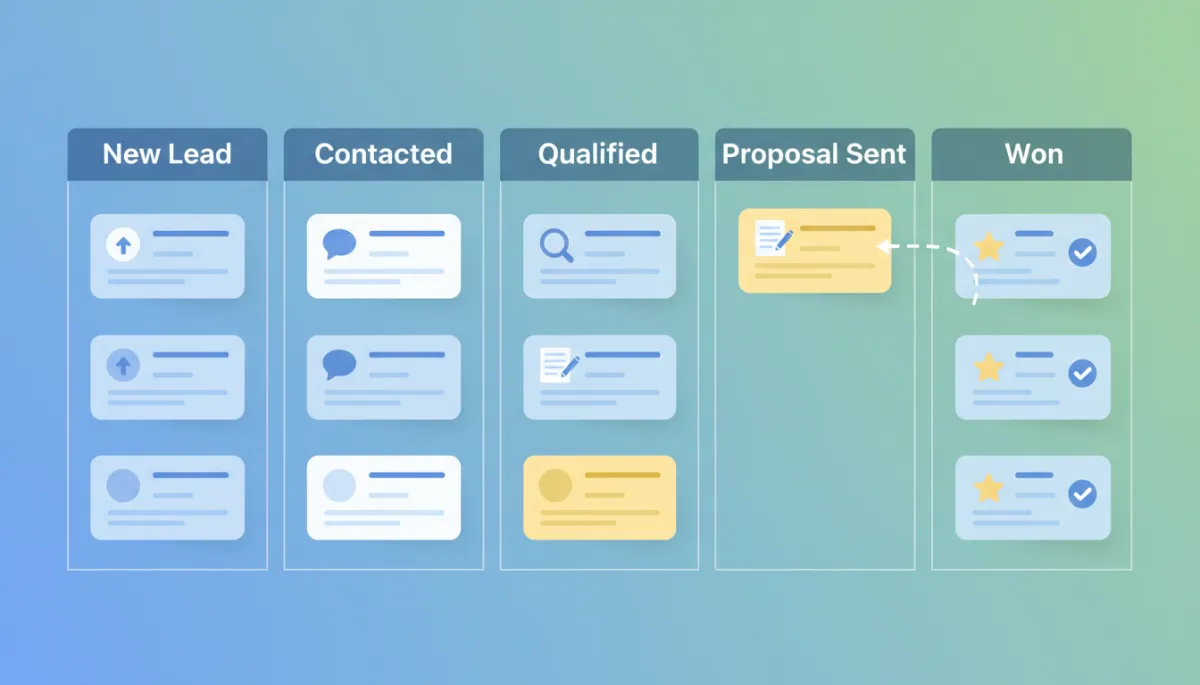
📌 Key Takeaway: A reliable lead management system doesn’t just organize your contacts—it directly increases revenue by ensuring every qualified lead gets timely, consistent attention.
Small Business Marketing That Drives Real Business Growth
When small-business marketing, lead generation, and lead management work together, you stop chasing one-off wins and start building predictable business growth. You know where your best leads come from, how long it takes them to convert, and which campaigns deserve more investment. Systems like the Local Visibility Operating System make it easier to stay visible in your community while your CRM does the heavy lifting in the background.
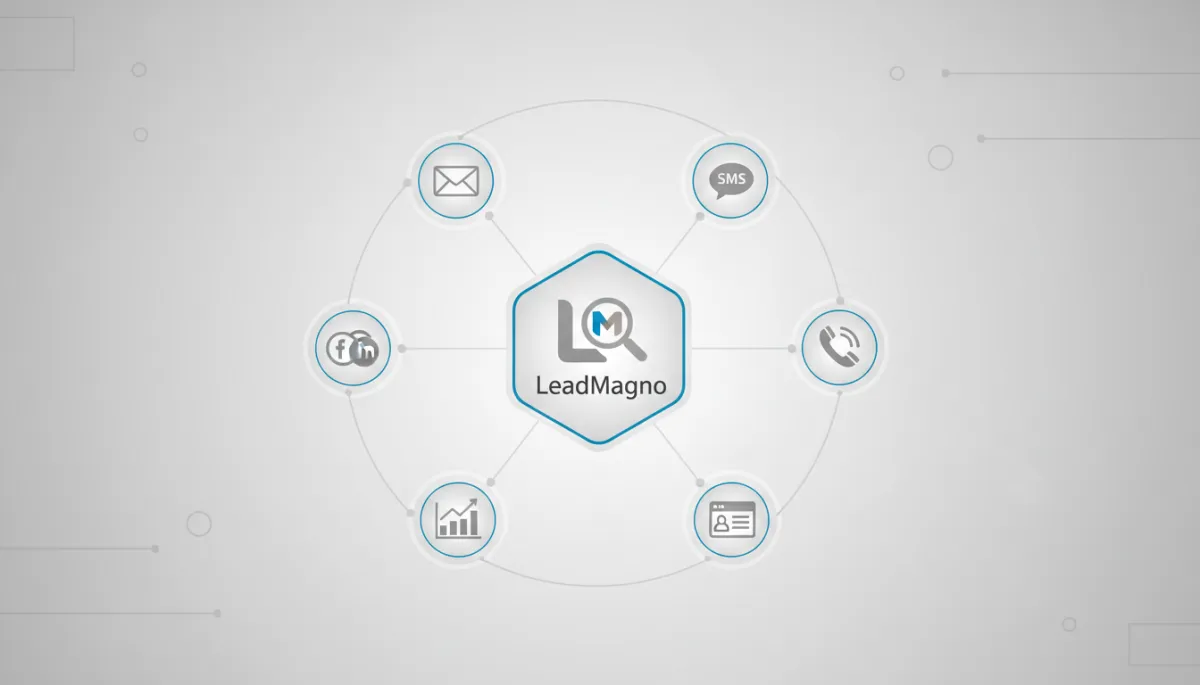
At LeadMagno, we believe you shouldn’t need five different tools and a full-time tech team to make this happen. Our all-in-one marketing CRM helps Canadian businesses capture, nurture, and convert more leads from a single, streamlined dashboard—so you can spend less time wrestling with software and more time serving your customers. If you’re planning a bigger push, you can also pair your CRM with a focused marketing strategy session or a dedicated content strategy to keep your campaigns aligned and consistent.
💡 Friendly Tip: Start small. Choose one core offer, one main channel, and one simple follow-up sequence. Once that’s working smoothly, you can layer on more campaigns with confidence. Tools like vidIQ, short-form video creators, and SEO platforms can then help you scale what’s already working.
Ready to Turn More Leads into Loyal Clients?
By now, you’ve seen how each piece fits together: attract the right people with focused lead generation, guide them with a clear marketing strategy, and support them with consistent lead management and conversion optimization. When these elements are aligned, your marketing stops feeling like a gamble and starts operating like a reliable growth engine.
If you’re ready to stop losing leads, simplify your marketing strategy, and finally see your conversion optimization efforts pay off, LeadMagno is here to help. We’re built for Canadian businesses that want a smarter, more reliable way to grow—without adding more chaos to their day. If you prefer a guided approach, you can also book a 1:1 strategy session directly with our founder via Syed Hussain’s calendar.
Book a free demo today and see how LeadMagno can transform your lead management and grow your business. Together, we’ll turn your marketing into a clear, friendly system that works just as hard as you do. And if you’re building out a broader tech stack, consider pairing your CRM with tools like PandaDoc for proposals, OpenPhone for business calling, or Zapier for integrations to keep everything running smoothly behind the scenes.
✅ Next Step: If you want a predictable lead generation system instead of one-off campaigns, book your free LeadMagno demo. In 30 minutes, we’ll map out how to capture, nurture, and convert more of the leads you’re already getting.
📚 Want to go deeper? Explore these authoritative resources on lead generation and conversion optimization:
HubSpot’s guide to lead generation for foundational strategies and benchmarks.
Neil Patel’s overview of conversion rate optimization for practical testing ideas.
Shopify’s lead generation tips for small businesses are especially relevant to Canadian merchants.
Frequently Asked Questions About Lead Generation and Lead Management
1. What is the difference between lead generation and lead management?
Lead generation is about attracting potential customers and capturing their information—through ads, content, referrals, or events. Lead management starts after that: organizing those contacts, tracking every interaction, and using automation and conversion optimization to turn them into paying clients. LeadMagno is designed to handle both sides on a single platform.
2. How long does it take to see results from a new lead generation strategy?
Timelines vary by industry and channel, but many small businesses in Canada start seeing clearer pipelines and improved follow-up within a few weeks of implementing a structured marketing strategy and CRM. Paid campaigns can generate leads quickly, while content and SEO often compound over several months. The key is to track your funnel data and adjust regularly.
3. Do I need a big budget for effective lead generation?
Not necessarily. Many Canadian small businesses start with modest budgets by focusing on one or two proven channels, such as Google Search Ads or local SEO, combined with strong offers and conversion optimization. A platform like LeadMagno helps you get more value from every dollar by improving follow-up and reducing wasted spend on unqualified leads.
4. How does automation improve my lead management process?
Automation ensures every new lead receives a timely response—whether that’s a confirmation email, SMS, or a reminder for your team to call. It also standardizes your nurture sequences, so prospects receive consistent, helpful communication rather than ad hoc follow-ups. This reduces manual admin work and significantly increases your chances of closing each opportunity.
5. Is LeadMagno only for certain industries or business sizes?
LeadMagno is built for small- to medium-sized Canadian businesses across service-based industries—such as home services, healthcare, professional services, and local retail. If you rely on inquiries, quotes, or appointments to drive revenue, an all-in-one marketing CRM like LeadMagno can help you capture, nurture, and convert more of those opportunities.
Ready to see this in action? Book your free LeadMagno demo and get a walkthrough tailored to your current lead generation and follow-up process.


